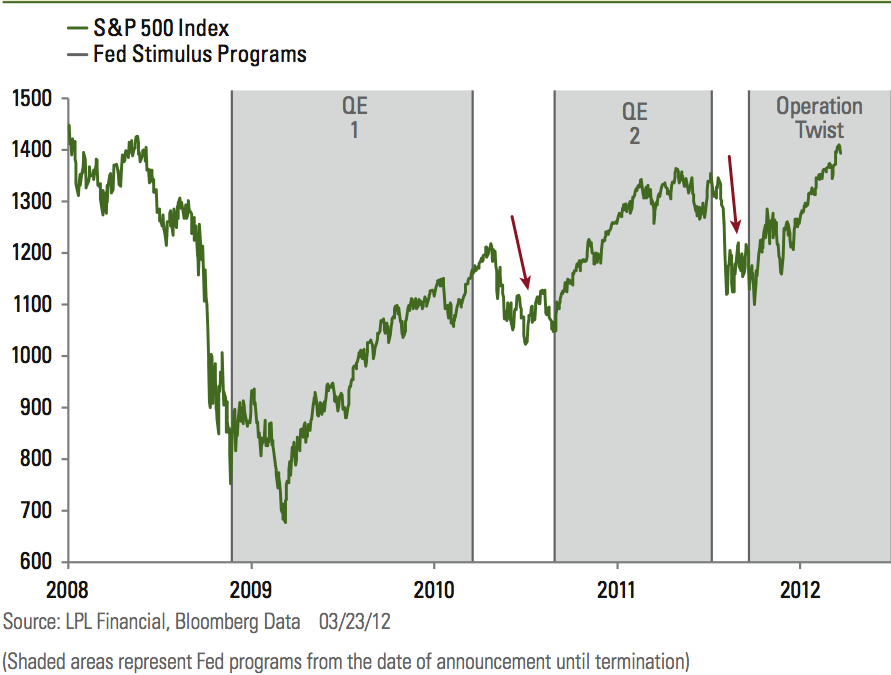
John Hussman has come and said what many have believed for some time now, that the Fed is probably insolvent (here).
The Fed has become the dumping ground for bad assets. Here’s what happens: they take them in from the banks at some highly notional (what is called “mark to unicorn”) value and hold them as “reserves” against the bank’s putatively active lending; which may or may not occur because the Fed now pays interest on reserves even as the reserves are likely deteriorating in value.
The Fed is the proverbial carpet under which the bad debt of the banking system is swept. Hence, the creditors and owners of banks and bank holding companies are relieved of having to recognize losses, and the fiction of “simulative monetary policy” is maintained. As Zero Hedge is fond of pointing out, the only known transmission mechanism from loose money to anything is to asset bubbles, the current one being stocks again, with a bubblet appearing in real estate.
This is capitalism without failure writ large. The antidote, in the view of the “Washington [/New York] consensus” (to borrow a term) is “more of the same.”
Like Bernanke, Janet Yellen didn’t a thing coming of the last crisis (even though the world-wide ramp-up of housing pricing made front page news in “The Economist,” as I recall.
And I can say from personal experience that many in retail banking wondered what would happen to Consumption when the housing ATM was shut off.
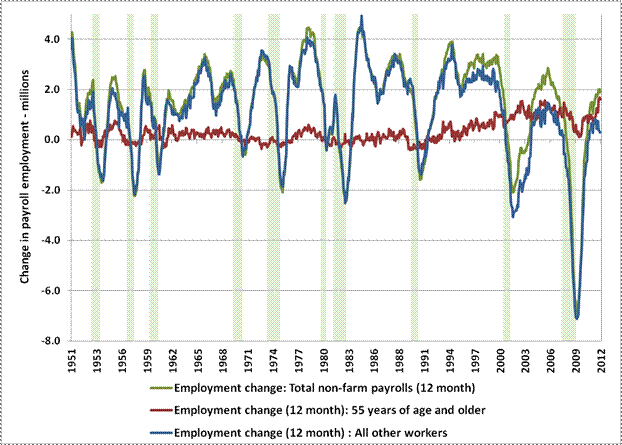
Thus I believe MMT will win out in the end, as war and/or infrastructure projects demand funding. Whether a major inflation or hyperinflation gets going remains an open question to me, as I believe an inflation (wage-price spiral) is a labor market phenomenon accommodated by monetary policy, and there seems little indication that the PTB have any intention of raising anybody’s wages.
Bad debts, those destined for charge-off, don’t go away by themselves; they have to be charged off. A major deflation will occur when that reconciliation finally takes place. Even if accounting fiction remains in place, the fact that such debts when returned to the banking system do not contribute revenues tells us bank margins are going to get a lot thinner in the future. A bank may be able to dress up its balance sheet but not so much its income statement.